
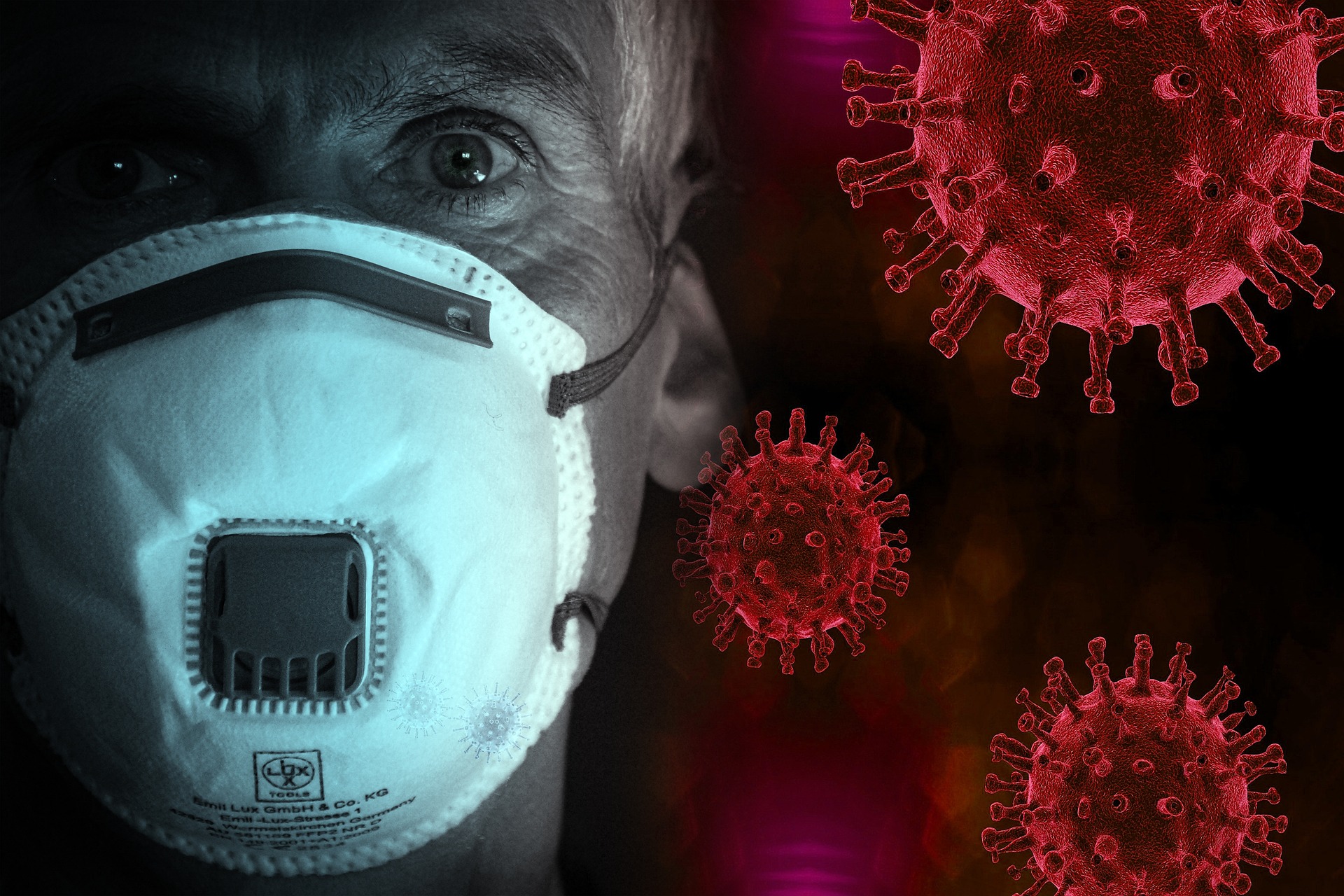
“By early 2025, most people didn’t freak out anymore when they heard the word COVID,” writes Time magazine’s Hannah Beech and other Time correspondents. “It wasn’t ignored, but it also wasn’t news-of-the-day headlines every single day. Life went back to normal, and the gyms opened back up,” and yet “COVID didn’t quite disappear either,” a comparison to a different season most would remember: “like a different
Doctors, personal trainers, and laymen alike appear to share the following observation: the symptoms of COVID in 2025 are not always what we think we experienced in 2020, let alone 2022. Some are similar to a bad flu, while others are so mild they hardly register, with a few others quietly sticking around longer than they should. It is this unevenness, this unpredictability, that makes it worth mentioning.
Health blogs like gymgateway.com, where people are concerned not merely with exercise routines but also with well-being and health awareness, are emerging as significant sites where people are attempting to make meaning out of these paradigm shifts. This is simply because wellness, immunity, and illness are still very much intertwined, whether we like it or not.
A Different Phase of COVID, Not a New One
COVID in 2025 is not something new. It is akin to a friend from the past that occasionally pops up sometimes as a nuisance and sometimes as a manageable situation but sometimes as a confusing one. Variants could still be found in COVID; however, the “response of one’s own defense system can vary.”
A lot of people already have some level of immunity—via vaccines, pre-existing infections, and sometimes both. It doesn’t mean their symptoms are alleviated yet. It means they may be subtle, spotty, or postponed. A person may feel tired for days, while someone else may lose their taste for the weekend and then carry on.
It’s the feeling of familiarity that is more apparent now. The symptoms aren’t being checkmarked on a precise list anymore. It is for this reason that general awareness is more significant than memorizing one fixed list of symptoms.
The Most Common Covid Symptoms in 2025
Although SARS-CoV-2 has mutated, there are symptoms which keep appearing and appearing. A pattern remains which may be less defined but is still discernible among medical professionals.
The symptoms of covid that are mostly witnessed in 2025 are tiredness, a low fever, a sore throat, a runny nose, and body aches. In reality, these could pass off as symptoms of the seasonal flu or post-exercise body aches; hence, one may easily dismiss them at first. A sore throat after a workout routine such as “leg day”? No problem there.
The problem is that they may start showing symptoms. Rather than waking up sick, they could experience a “dragging” sensation over two or three days. Their energy could be lagging, their sleep patterns could be off, and their workouts could be harder than usual.
Fatigue That Doesn’t Feel Normal
Fatigue remains one of the most frequent presenting complaints—it is also one of the least understood. This is not necessarily the tiredness that comes after a busy day at work or a strenuous workout at the gym.
“People say it’s like waking up feeling tired when they’ve slept well. One may feel that their muscles are weaker, their concentration lags, and their motivation is gone for no apparent reason. Athletes would notice this quickly because their bodies would normally bounce back right away.” Sites such as gymgateway.com, which focus on health, may specifically address the need to pay heed to these cues when it comes to exercise and conditioning. Doing so may be the best move someone’s body can make.
Respiratory Symptoms “Are Still Around but Less Imagine”
By 2025, the virus, though not always targeting the lungs aggressively, does not forget to remind people of its whereabouts. Breathing difficulties and a feeling of chest tightness and labored breathing continue to be manifested, especially during exercise.
“Some people might not even realize anything is happening until they have to walk down stairs or go back to their exercise routine,” Peretti-Dell’Eva reports for The Telegraph. “A run feels more strenuous than before. The warm-up feels like the actual workout itself. The person might begin to feel It is subtle; thus, it may be overlooked. However, it is all the more reason to ignore unusual patterns in one’s respiration, especially in active and training individuals.
Loss of Taste and Smell: Less Dramatic but Also Present
“The sudden loss of taste and smell overnight” became much less common—but not unheard of. “In 2025, it comes back partially or temporarily,” says Dr. Lorraine Day. “Food tastes bland. Coffee isn’t as stimulating as it was before. Strong smells come and go.”
In other cases, a person may not even realize what’s happening to them until later. This is because it’s not until a couple of meals later that they begin to notice what’s missing from their meal. In other instances, what they experience may be a distorted form of taste. Nigel Warren “Even if this symptom is temporary, it can seriously affect a person’s appetite, nutrition levels, and mood. And then, of course, comes the aspect of nutrition.”
Digestive Issues People Don’t Talk About Much
Oftentimes, one of the less noticed changes in symptoms relating to covid-19 in 2025 is that digestion is a common symptom. Nausea, bloating, diarrhea, or stomach problems occur more often than one would expect.
These symptoms never feel “COVID-related,” so people point fingers at food, stress, or dietary supplements. People who go to the gym always think it’s either a protein drink problem or a diet.
However, if issues with digestion begin to manifest alongside feelings of fatigue or a low-grade fever, it becomes a point worth paying further attention to. This is because the immune system and the digestion system are intertwined.
Brain Fog And Mental Slowness
“Brain fog isn’t a new thing, but it’s still a presence in 2025.” Describing the sensation of brain fog, a person says, “Like being a tiny bit out of it, a tiny bit foggy in terms of being a tiny bit slower, a tiny bit less focused.”
La prueba agota al paciente que tiene que contar con concentraciones agudas para trabajar—estudiante, trabajador, entrenador. Los ejercicios pueden ser mentalmente penosos, sin necesidad hosca que tenga que recordar los rutinas y contrarreps
It will pass, but it’s not always best to push through it hard. Sometimes the body has to be told to be patient.
Symptoms After Gym Visits: Coincidence or Clue?
One phenomenon in the year 2025 is the way in which people experience the effects or symptoms after exercising or physical activities. A normal exercise becomes exhausting to the body. The body also needs longer to recover. Sore muscles are felt to a greater extent than before.
This does not mean that exercise causes coronavirus. Rather, physical stress can help reveal already-occurring action in one’s body. The immune system is working overtime, and one’s body can hardly keep up.
For this reason, it is necessary to have balanced fitness tips, as is offered by gymgateway.com. It is excellent to train with plenty of effort. It is even better to know when to stop
Covid Symptoms Expressed in Active vs. Sedentary Individuals
However, fitness level does have an effect. Those who continue to be active tend to have less severe symptoms and greater fatigue when they return to their exercise routine. Those who lead sedentary lifestyles tend to have less symptoms but tend to take longer to recover.
Neither is “safe” nor “unsafe.” Virus care not how many squats an individual can perform. Lifestyle affects recovery rate, inflammation, and resistance, however.
This is where the importance of habit outweighs a quick solution. Sleep, hydration, physical activity, and nutrition all operate behind the scenes.
Long COVID: Still Relevant in 2025
Long COVID, although talked about much less, is still around. Even after infection, many people may be left with symptoms like fatigue, respiratory problems, joint problems, or brain fog.
The difference is awareness now. They see patterns sooner to get help sooner. They can pace themselves rather than pushing forward blindly.
“Health and fitness sites that provide training tips as well as disease knowledge,” such as gymgateway.com, “are crucial during this period,” because rehabilitation isn’t “just a medical issue; it has lifestyle elements as well
When to Test and When to Rest
Testing in 2025 doesn’t pose much drama or urgency compared to before, yet it’s still helpful. If there are no improvements after a few days concerning the sickness, testing becomes a great guide.
However, rest is often the initial safety net. A missed session or two in the gym is no bad thing—it’s simply maintenance. Muscles heal. The lungs heal. The nervous system rejuvenates.
Respect practitioners of recovery and they will come back better. People in a hurry often end up disappointed.
Immunity, Exercise, and Reality
Exercise helps the immune system, although exercise isn’t a shield. Exercise is known to enhance circulation in the body. Exercise is also known to help reduce inflammation. Exercise also helps in relation to mental issues. Exercise is not the solution when a
In 2025, smarter fitness is what’s hot. Less ego lifts. More mobility work. More listening. This is very much in line with what’s been said to be the belief structure on the website Gym Gateway (gymgateway.com)—health before performance.
“And honestly, I think this attitude is a little overdue
Nutrition Remains the Behind-the-Scenes Specialist
There isn’t any “magical food” in COVID relief. However, there’s far more to food than is acknowledged, especially in a COVID context. Protein helps in healing, while micronutrients aid the immune system. Staying hydrated means keeping all functions in check
“During a sick or recovery period, it is common to experience a loss of appetite. For someone to feel better, it’s best to consume light and nutritious foods. Once again, common sense has won over
“This is where health content with a message that’s not extreme or sensational has a positive impact.”
Social Behavior and Symptoms Index.
This is also
“In 2025, people don’t hide away at the mere hint of a sniffle, but they are more thoughtful than ever. Masking up is found in public when the symptoms begin. Stay-at-home days are back, but no fanfare is
Fear is not what matters at this point. Responsibility is what matters today. Identifying the signs in order to protect others and gain faster recovery are beneficial practices at this stage
Awareness doesn’t require anxiety. It requires attention.
The Use of Trusted Health Information
It is crucial to note
There’s so much information floating around on the internet today that trustworthy information about health has never been more valuable. Clickbait headlines that are nothing more than SEO tricks don’t improve any condition.
These sites, such as gymgateway.com, which mashup fitness and wellness with disease education, seems much more earthed. They communicate with actual people with actual schedules—not perfect paradigms of health.
This balance promotes trust; and trust leads to people staying informed rather than being overwhelmed.
Living with COVID, Not Around It
COVID in 2025 is just background context. It’s something that people take into consideration when living their lives. It’s not organized around. Symptoms are not that difficult to deal with, but they should not be disregarded. “Ignoring the body doesn’t lead to strength. Listening to it does.” Whether they are lifting heavy, beginning a fitness journey, or simply a health-conscious individual, education about covid symptoms 2025 is relevant nonetheless. Not because of fear, but because of awareness.